Best Cold Climate Roofing Systems Canada: Complete Guide
Selecting a roofing system for residential or commercial properties in Canada presents unique engineering challenges. Canadian winters subject buildings to extreme freeze-thaw cycles, sub-zero ambient temperatures, heavy snow accumulation, high-velocity winds, and the destructive formation of ice dams. A roof that performs adequately in temperate climates can fail rapidly when exposed to prolonged Canadian winter conditions, leading to structural deck rotting, compromised attic insulation, and interior water damage.
Understanding the best cold climate roofing systems Canada requires looking beyond surface-level materials to evaluate the entire roof assembly—including deck preparation, self-adhering membranes, thermal insulation, and attic ventilation systems. This guide provides a detailed breakdown of cold-climate roofing options, structural requirements, regulatory compliance, and long-term maintenance strategies. Building owners, developers, and project managers will gain an objective framework for selecting and maintaining roofing assemblies built to withstand harsh winter environments.
Overview of Best Cold Climate Roofing Systems Canada
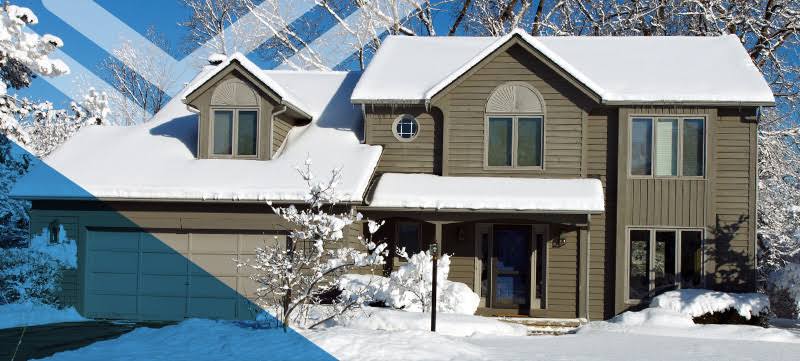
Evaluating the best cold climate roofing systems Canada depends on how effectively a complete roof assembly handles heat loss, moisture transport, and mechanical loads. In Canadian construction, a roof is not merely a waterproof outer shell; it is an integrated thermal and air-barrier boundary. The primary cause of winter roof failure across the country is not snowfall alone, but heat escaping from the building interior into the attic space. This warm air heats the underside of the roof deck, melting the bottom layer of snow. As runoff flows down to the unheated overhangs, it refreezes, creating ice dams that force backed-up water beneath shingles and into the structure.
ICE DAM FORMATION DYNAMICS:
[ Interior Heat Leak ] ---> [ Warmer Upper Deck ] ---> [ Snow Melts Below Surface ]
                                                                |
                                                                v
[ Frozen Attic Overhang ] <--- [ Meltwater Refreezes ] <--- [ Runoff Flow ]
         |
         v
[ Water Backs Up Under Shingles & Leaks Into Structure ]
To prevent this cycle, cold-climate roofing design relies on two primary approaches: ventilated cold-roof assemblies and unventilated warm-roof assemblies. Ventilated cold roofs use continuous soffit-to-ridge airflow to flush out escaping heat, keeping the roof deck at ambient outdoor temperatures. Unventilated warm roofs use continuous rigid foam or closed-cell spray foam insulation directly above or below the deck plane to eliminate thermal bridging.
Evaluating the best cold climate roofing systems Canada involves balancing material resilience against upfront installation costs. While heavy-gauge standing seam metal and synthetic slate offer exceptional snow shedding and wind resistance, high-grade architectural asphalt shingles and rubberized membranes provide cost-effective alternatives when paired with code-compliant eave protection membranes.
Primary Roofing Material Categories and Thermal Performance
Different roofing materials exhibit distinct physical behaviors when exposed to freezing temperatures, heavy snowpack, and thermal contraction.
| Category / Type | Description | Common Use Case | Time / Cost / Effort Level |
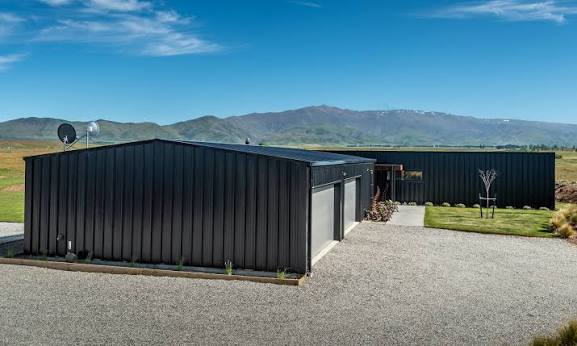
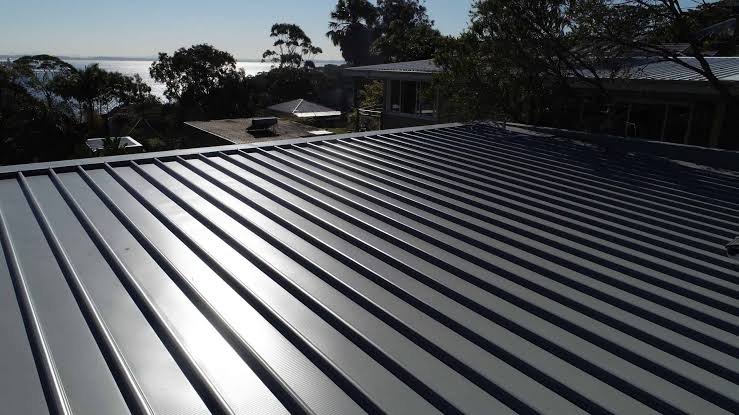
| Standing Seam Metal (Steel/Aluminum) | Continuous vertical metal panels with concealed fasteners; smooth surface encourages rapid snow shedding. | High snow-load regions, mountainous zones, low-pitch modern residential builds. | High material/labor cost; specialized installation skill; long service life (50+ years). |
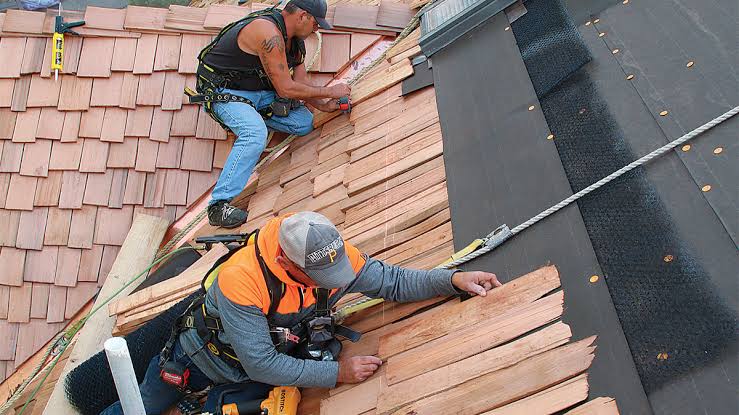
| Class 4 Impact Architectural Shingles | Heavyweight asphalt shingles modified with SBS polymers to remain flexible in sub-zero weather. | Suburban single-family housing across Prairie and Atlantic provinces. | Moderate cost; standard labor complexity; typical lifespan of 25–30 years. |
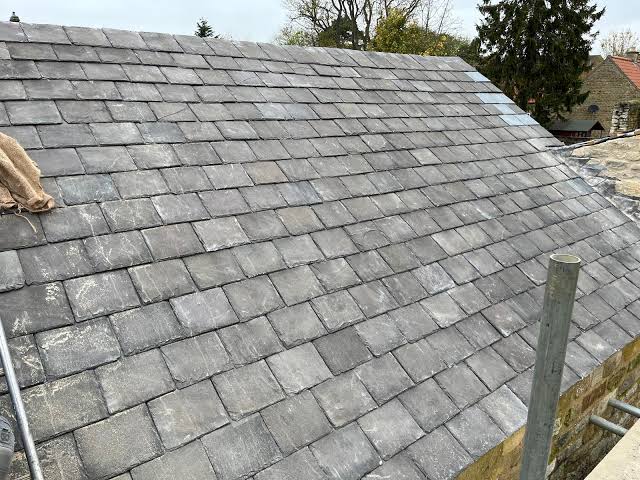
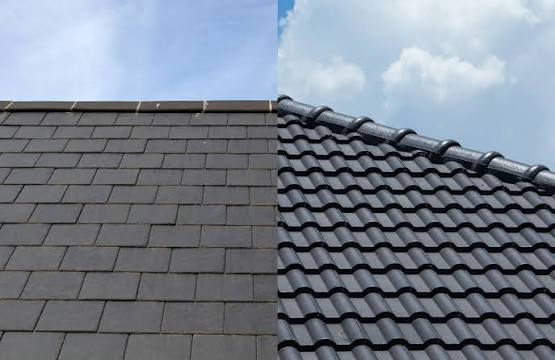
| EPDM / Rubberized Composite Slate | Synthetic tiles made from recycled rubber and plastics; highly flexible and impact-resistant in extreme cold. | Heritage restorations, high-hail zones, steep-slope residential roofs. | High material cost; moderate installation effort; 40–50 year service life. |
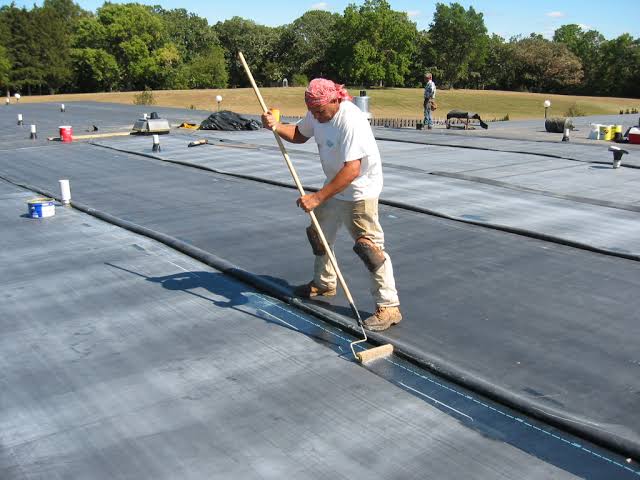
| Cold-Applied Modified Bitumen (2-Ply) | Multi-layer asphalt-polymer membrane applied with cold adhesives rather than open-flame torches. | Low-slope residential additions, commercial flat roofs in cold climates. | Moderate-to-high cost; skilled trade labor required; excellent water resistance. |
Choosing Between Material Systems
Selecting among these categories requires assessing roof slope, structural load capacity, and local microclimates. For steep slopes in regions with heavy snowfall (such as British Columbia’s interior or Quebec’s Laurentians), standing seam metal minimizes snow retention and structural stress. In Prairie regions prone to extreme freeze-thaw cycles and winter hail storms, SBS-modified asphalt shingles or synthetic rubber tiles provide high impact resistance and prevent cold-weather cracking.
Practical Scenarios and Regional Applications
Scenario 1: Heavy Snowfall & Ice Dam Prone Zone (e.g., Ottawa Valley, Ontario)
Residential roofs in areas subject to deep snow accumulation followed by rapid temperature fluctuations.
-
Key Components: Standing seam steel panels (0.48mm BMT / 24-gauge), self-adhering polymer-modified bitumen ice and water protector membrane (CSA A123.22 compliant), continuous ridge-and-soffit ventilation baffles, snow guards.
-
Process Steps:
-
Strip roof deck to bare plywood; inspect for structural deflection or rot.
-
Apply self-adhering ice membrane across the entire eave extending at least 900 mm (36 inches) inside the interior warm wall line, as required by Canadian building codes.
-
Lay high-temperature synthetic underlayment over remaining deck sections.
-
Install standing seam panels using concealed expansion clips to allow panel movement during thermal cycling.
-
Secure engineered snow guards above entryways and lower roof transitions to prevent sudden snow slides.
-
-
Why Relevant: Combined deep snowpack and fluctuating winter temperatures make eave ice dams a primary structural risk. The self-adhering membrane prevents backing-up meltwater from penetrating the wooden deck.
Scenario 2: Severe Freeze-Thaw & Wind-Driven Conditions (e.g., Calgary, Alberta)
Prairie environments characterized by rapid winter temperature shifts (Chinook winds), high wind uplift, and freeze-thaw cycles.
-
Key Components: Class 4 impact-rated SBS-modified asphalt shingles, high-tack cold-weather underlayment, heavy-gauge steel drip edges, high-wind mechanical fastening schedules.
-
Process Steps:
-
Ensure roof deck sheathing is fully anchored to rafters to resist wind uplift.
-
Install self-adhering membrane along all eaves, rakes, and valley intersections.
-
Lay SBS polymer-modified shingles, driving six hot-dipped galvanized nails per shingle along the designated nail line.
-
Apply cold-weather roofing cement beneath shingle starter strips to ensure rapid thermal bonding despite cold ambient air.
-
-
Why Relevant: Standard asphalt shingles become brittle in deep sub-zero temperatures and can crack during rapid temperature shifts. SBS-modified shingles remain pliable and maintain seal-strip adhesion during severe wind events.
Scenario 3: Maritime Coastal Winter Climate (e.g., St. John’s, Newfoundland)
Coastal environments subject to freezing rain, salt air, heavy wet snow, and gale-force winter winds.
-
Key Components: Synthetic rubberized slate tiles, stainless steel fasteners, full-deck self-adhering waterproof underlayment, non-corrosive aluminum or copper flashings.
-
Process Steps:
-
Cover 100% of the plywood roof deck with a self-adhering ice and water membrane to form a secondary waterproof barrier.
-
Fasten synthetic slate tiles using stainless steel ring-shank nails to prevent salt-air corrosion.
-
Install custom-bent, heavy-gauge perimeter flashings sealed with marine-grade polyurethanes.
-
-
Why Relevant: Wind-driven freezing rain can force water horizontally under standard overlapping shingles. Covering the entire deck with a self-adhering membrane creates a fully sealed barrier behind the primary cladding.
+-----------------------------------------------------------------------------------+
|                            REGIONAL REQUIREMENTS MATRIX                           |
+-------------------+----------------------------+----------------------------------+
| Metric            | Ottawa / Eastern Canada    | Prairies (Alberta/Saskatchewan)  |
+-------------------+----------------------------+----------------------------------+
| Primary Threat    | Heavy Snow & Ice Dams      | Freeze-Thaw Shifts & High Winds  |
| Code Eave Mandate | Min. 900mm Inside Warm Wall| Min. 900mm Inside Warm Wall      |
| Ideal Material    | Standing Seam / Metal      | SBS Polymer Architectural Shingle|
| Secondary Defense | Eave Membrane + Baffles    | High-Wind Fastening + Full Membrane|
+-------------------+----------------------------+----------------------------------+
Structural Planning, Budgeting, and Resource Considerations
Installing cold-climate roofing systems in Canada requires accounting for higher material specifications, winter access equipment, and specialized labor. Full-deck waterproof membranes, high-density insulation, and structural snow controls increase initial material costs but significantly reduce long-term maintenance expenses.
Note: Financial figures represent generalized industry estimates across Canadian provinces in Canadian Dollars (CAD). Costs vary based on regional labor rates, pitch complexity, roof height, and material supply chains.
| Category | Estimated Cost Range (CAD) | Explanation | Optimization Tips |
| SBS Architectural Shingles | $4.50 – $7.50 per sq. ft. | Material, tear-off, code-compliant ice protection, synthetic underlayment, and installation. | Schedule reroofing during late spring or early autumn to avoid cold-weather labor surcharges. |
| Standing Seam Steel Roofing | $12.00 – $22.00 per sq. ft. | Premium 24-gauge steel panels, concealed expansion clips, perimeter trims, and skilled labor. | Choose standard factory-coated colors (e.g., Charcoal or Black) to avoid custom finish fees. |
| Synthetic Rubber Slate Tiles | $15.00 – $26.00 per sq. ft. | High-impact composite tiles, full-deck membrane, stainless steel hardware, specialized labor. | Use synthetic slate on steep-slope feature planes and standard metal on low-visibility sections. |
| Ice & Water Shield Membrane | $0.80 – $1.75 per sq. ft. | Self-adhering polymer-modified bitumen membrane compliant with CSA A123.22 standards. | Extend membrane coverage to 1,800 mm (6 feet) up eaves in high-accumulation valleys. |
Cold-Weather Installation Tools, Materials, and Methods
Executing a roof installation in cold weather requires specialized materials and methods to ensure structural integrity and installer safety.
Specialized Materials and Tools
-
CSA A123.22 Compliant Self-Adhering Membranes: Specialized low-temp membrane formulas capable of forming a deck bond at temperatures down to -10°C (14°F) without thermal degradation.
-
Hot-Dipped Galvanized or Stainless Fasteners: Fasteners designed to resist rust caused by trapped condensation and moisture accumulation.
-
Portable Hot-Air Conditioning Tools: Used to gently warm self-adhering membrane lap seams during sub-zero installations, ensuring the bitumen adhesive activates and bonds correctly.
Crucial Installation Rules
-
Plywood Deck Moisture Verification: Roof decks must be completely free of frost, ice, and atmospheric moisture prior to laying underlayments. Trapping frost beneath a waterproof membrane leads to deck rot when temperatures rise.
-
Expansion and Contraction Gap Allowances: Metal panels expand and contract significantly across seasonal temperature swings. Fasteners must be set in the center of slotted clip holes to allow movement without buckling the metal.
CORRECT CONCEALED CLIP FASTENING (Metal Systems):
        [ Panel Lip ]
      -----------------
      | Clip Slotted  |
      |   ( [S] )     |  <-- Screw placed in exact center of slot allows thermal movement
      =================
        [ Plywood Deck ]
Cold-Climate Safety Protocols and Risk Mitigation
Roofing operations in northern climates carry elevated safety risks due to ice formation, freezing winds, and sudden snow accumulation.
-
Ice Dam Backups from Blocked Soffits: Installing thick attic insulation without soffit ventilation baffles blocks incoming airflow, raising attic temperatures and creating severe ice dams. Mitigation: Always install continuous plastic ventilation baffles at every rafter bay to maintain a clear air channel from soffit to ridge.
-
Uncontrolled Roof Snow Avalanches: Smooth roofing materials like standing seam metal allow large volumes of snow to slide off all at once, threatening pedestrians, lower roof structures, and gutter systems below. Mitigation: Install engineered snow guards or snow fences along eaves and above entry doorways.
-
Adhesive Failure in Sub-Zero Installs: Self-sealing asphalt shingle adhesive strips fail to activate in cold weather, leaving shingles vulnerable to wind blow-off. Mitigation: Manually apply a spot-hand-seal of cold-weather lap cement beneath every shingle tab when installing below 5°C (41°F).
-
Condensation Rot in Unvented Attics: Warm, moist air escaping from living spaces condenses on the cold underside of the plywood deck, causing mold and rot. Mitigation: Air-seal all ceiling penetrations (pot lights, exhaust fan ducts, attic hatches) before adding insulation.
System Maintenance and Winterization Best Practices
Proactive pre-winter inspections and safe snow management preserve roof integrity and prevent premature failure.
-
Autumn Gutter and Downspout Clearing: Remove leaves and organic debris from gutters before the first freeze to ensure meltwater can drain freely.
-
Safe Snow Raking Protocols: After heavy snowfalls, use an telescoping rake from the ground to clear the lower 0.9 to 1.2 meters (3 to 4 feet) of the roof eave. Never scrape directly against shingle surfaces to avoid stripping protective granules.
-
Professional Steam Ice Removal: If severe ice dams form, avoid using axes, hammers, or salt pucks, which damage roof cladding. Hire a professional service utilizing low-pressure steam units to melt ice safely.
-
Bi-Annual Attic Air-Leak Audits: Inspect the attic space during deep winter freezes. Check for frost formation on the underside of the plywood deck, which indicates warm air leaking up from living spaces below.
+------------------------------------------------------------------+
|               CANADIAN WINTER ROOF MAINTENANCE CHECKLIST         |
+------------------------------------------------------------------+
| [ ] Clean all gutters and downspouts before first freeze (Autumn)|
| [ ] Inspect soffit vents to ensure air channels remain unblocked |
| [ ] Check attic insulation for moisture, frost, or air leaks     |
| [ ] Clear snow from lower eaves using a ground-operated roof rake|
| [ ] Verify snow guards remain securely anchored on metal planes  |
+------------------------------------------------------------------+
Warranty Management and Compliance Documentation
Maintaining detailed installation and service records preserves manufacturer warranties and ensures compliance with provincial building codes.
-
Provincial Building Code Compliance Sign-Offs: Retain documentation confirming eave protection membranes comply with local codes (such as the National Building Code of Canada or Ontario Building Code 900mm eave rule).
-
Manufacturer Cold-Weather Warranty Addendums: Ensure installers file cold-weather installation notifications if roofing materials are laid during sub-zero temperatures, preserving extended non-prorated material warranties.
-
Professional Inspection Logs: Keep records and date-stamped photos of pre-winter maintenance and professional ice removal service invoices.
Illustrative Examples
-
Insurance Claim Approval for Ice Dam Leak: A homeowner in Montreal experienced ceiling water damage during a mid-winter thaw. Because the owner provided installation invoices showing a code-compliant 1,800 mm self-adhering membrane was installed down to bare plywood during a recent re-roofing project, the insurance provider covered interior restoration costs without disputing negligence.
-
Warranty Coverage on Cold-Weather Shingle Install: A builder in Edmonton completed a subdivision roof installation in November. By utilizing low-temp SBS shingles, manually hand-spotting adhesive tabs, and filing cold-weather application records with the shingle manufacturer, the builder secured a 50-year non-prorated system warranty for homebuyers.
Closing Summary
Selecting among the best cold climate roofing systems Canada requires an integrated approach that pairs durable surface materials with robust underlayments, insulation, and ventilation controls. While standing seam metal and synthetic rubber tiles offer high durability against snow and freeze-thaw cycles, high-grade SBS-modified asphalt shingles provide cost-effective protection when installed over code-compliant self-adhering membranes. By understanding regional weather risks, adhering to installation standards, and executing routine maintenance, building owners can ensure their roofing systems deliver reliable protection through Canadian winters.
Frequently Asked Questions
What is the minimum required eave membrane protection distance in Canada?
Under the National Building Code of Canada (NBCC) and provincial codes like the Ontario Building Code (OBC), self-adhering ice and water protector membrane must extend from the roof edge up the slope to a point at least 300 mm (12 inches) inside the inner face of the exterior warm wall. In practical installation terms across heavy snow regions, this usually translates to applying a minimum of 900 mm to 1,800 mm (3 to 6 feet) of membrane along all eaves.
Are metal roofs colder inside during Canadian winters than shingle roofs?
No. A metal roof panel does not lower the interior temperature of a building. Interior heat retention is determined by the ceiling or roof deck insulation (R-value) and air-sealing within the attic assembly. A properly insulated and ventilated attic beneath a metal roof maintains identical interior room temperatures to an attic beneath an asphalt shingle roof.
Can asphalt shingles be installed in sub-zero Canadian temperatures?
Yes, but specialized cold-weather precautions are required. Standard asphalt shingles become brittle in cold weather and their thermal self-sealing adhesive strips will not activate without sun heat. When installing below 5°C (41°F), installers should store shingles in a heated space before application, handle them carefully to avoid cracking, and manually apply spots of cold-weather lap cement beneath each shingle tab to prevent wind lift. Alternatively, polymer-modified SBS shingles should be selected, as they remain flexible in cold conditions.