Certified Luxury Roofing Contractors Search Australia Guide
Executing high-end architectural residential builds or heritage restorations in Australia requires specialized trade expertise that extends beyond standard domestic roofing. Premium roofing systems—such as imported Welsh slate, natural copper cladding, architectural zinc trays, glazed terracotta tiles, and heavy-gauge custom standing seam steel—demand advanced craft mastery and strict engineering compliance. Engaging qualified professionals ensures that complex roof geometries not only achieve architectural distinction but also withstand harsh Australian weather conditions, from marine salt environments to high-wind cyclone zones.
Conducting a certified luxury roofing contractors search Australia framework enables homeowners, architects, and estate managers to evaluate specialized contractors through objective licensing, trade accreditation, and technical capability metrics. This guide details the regulatory standards, verification procedures, financial parameters, and risk management strategies necessary when selecting elite roofing specialists. Readers will gain a clear, textbook-quality roadmap for vetting high-end roofing contractors across Australian states and territories.
Overview of Certified Luxury Roofing Contractors Search Australia
Initiating a certified luxury roofing contractors search Australia protocol involves verifying two distinct levels of professional qualification: mandatory statutory trade licensing and voluntary master-level trade certifications. In Australia, residential building and trade contracting are regulated at the state and territory level. Regulatory bodies—such as NSW Fair Trading, the Victorian Building Authority (VBA), the Queensland Building and Construction Commission (QBCC), and Building and Energy WA—require roofing tradespeople to hold active, unrestricted specialist licenses. These licenses confirm that the contractor possesses recognized trade qualifications (such as a Certificate III in Roof Tiling or Roof Plumbing), maintains mandatory public liability insurance, and carries statutory home building compensation insurance where required by law.
AUSTRALIAN ROOFING CONTRACTOR QUALIFICATION HIERARCHY:

[ Tier 1: Statutory State Licensing ]
  ├── Active Licence (VBA / QBCC / Fair Trading)
  ├── Mandatory Public Liability Insurance ($10M - $20M)
  └── Statutory Home Building Compensation Insurance
            │
            ▼
[ Tier 2: Peak Industry Associations ]
  ├── Master Builders Australia (MBA) / Housing Industry Association (HIA)
  └── Australian Roofing Tile Association (ARTA) / RIAA
            │
            ▼
[ Tier 3: Specialized Material Certifications ]
  ├── Manufacturer Accredited Installer Status (e.g., LYSAGHT®, VMZINC®, Welsh Slate)
  └── Specialized Heritage & High-Risk Access Qualifications
Beyond baseline state licensing, luxury roofing projects require contractors with advanced material-specific accreditations. Premier contractors often maintain membership in peak industry bodies, such as the Master Builders Association (MBA), Housing Industry Association (HIA), or the Australian Roofing Tile Association (ARTA). Furthermore, top-tier manufacturers of luxury materials—such as architectural zinc, copper, or imported slate—issue specialized installer certifications only to tradespeople who complete rigorous factory training in thermal expansion jointing, concealed clip fixing, and bespoke flashing scribing.
The primary objective of a structured certified luxury roofing contractors search Australia process is to eliminate structural failure risks, ensure compliance with the National Construction Code (NCC) and relevant Australian Standards (such as AS 1562 for sheet cladding and AS 2050 for tile installation), and safeguard high-value property investments.
Contractor Specialization Categories and Certification Types
Luxury roofing encompasses several distinct material disciplines. Selecting a contractor requires matching the specific material system of the building design with the contractor’s documented trade credentials.
| Category / Type | Description | Common Use Case | Time / Cost / Effort Level |
| Architectural Metal Specialist | Licensed roof plumbers specialized in titanium zinc, copper, brass, and heavy-gauge standing seam panels. | Contemporary luxury coastal homes, curved roofs, wall cladding, concealed guttering systems. | High material/labor cost; high installation skill; precision folding effort. |
| Heritage Slate & Tile Master | Master slaters trained in natural stone dressing, copper nailing, and traditional lead valley fabrication. | Heritage estate restorations, Victorian/Federation manors, high-end classic builds. | Very high cost; intensive manual craftsmanship; extended project timelines. |
| Glazed Terracotta & Concrete Tile Expert | Certified roof tilers experienced in imported European clay tiles, flat profile terracotta, and heavy ridge bedding/pointing. | Mediterranean, French Provincial, and luxury suburban estate designs. | Moderate-to-high cost; specialized bedding/pointing effort; heavy dead-load handling. |
| Integrated Solar & Green Roof Contractor | Dual-certified roofing and electrical/structural specialists installing solar tiles or vegetated green roofs. | Eco-luxury architectural builds, urban rooftop gardens, zero-net-energy estates. | High capital cost; complex multi-trade coordination; specialized engineering requirements. |
Choosing Between Specialist Contractor Types
Determining which contractor specialization to engage depends on the primary roofing material specified by the project’s architect or structural engineer. Architectural metal systems require contractors holding unrestricted Roof Plumbing licenses with proven expertise in thermal expansion jointing. Heritage stone or terracotta roofs require tradespeople with specific Roof Tiling credentials and documented portfolios of traditional hand-dressing and bedding techniques.
Practical Scenarios and Regional Applications
Scenario 1: Coastal Architectural Residence in Sydney or Sunshine Coast
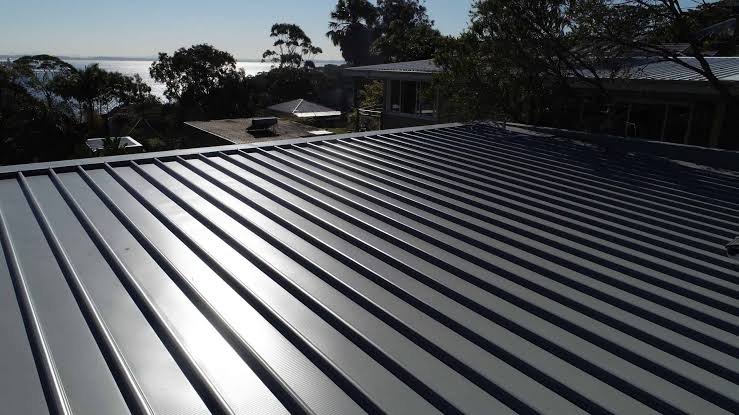
A modern waterfront estate specifying titanium zinc or marine-grade aluminum standing seam panels in a severe marine environment (C5 corrosion category).
-
Key Components & Materials: VMZINC® or COLORSTEEL® Altimate® panels, continuous synthetic underlayment, stainless steel expansion clips, custom-folded apron flashings, hidden internal box gutters.
-
Contractor Verification Steps:
-
Verify active Roof Plumbing licence status via NSW Fair Trading or QBCC public registers.
-
Confirm manufacturer-accredited installer status for specified architectural zinc or aluminum systems.
-
Audit past coastal portfolio projects to verify correct thermal expansion allowances and solderless flashing techniques.
-
Inspect public liability insurance certificates ensuring coverage for working near salt-water margins.
-
-
Why Relevant: Marine environments accelerate galvanic corrosion; improper clip spacing or incorrect metal pairing leads to rapid system degradation and voided manufacturer warranties.
Scenario 2: Heritage Estate Restoration in Melbourne or Adelaide
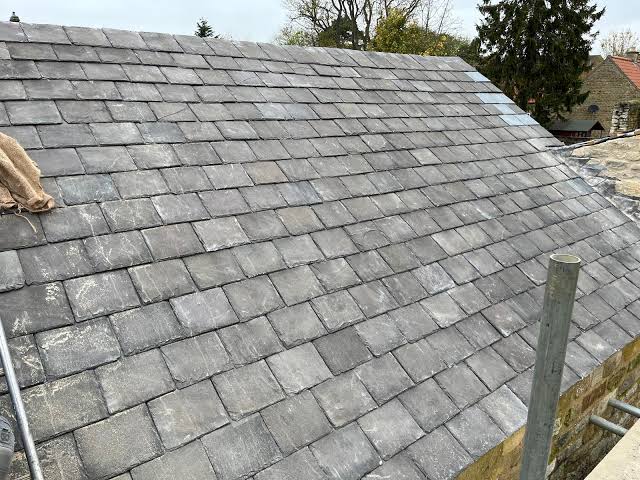
Restoring an 1890s Federation mansion roof featuring authentic Welsh slate, lead ridges, and decorative copper turrets.
-
Key Components & Materials: Penrhyn Heather Blue Welsh slate, 100% solid copper slating nails, Code 4/5 sheet lead flashings, timber batten upgrades, copper downspouts.
-
Contractor Verification Steps:
-
Search Victorian Building Authority (VBA) or SA Consumer and Business Services registers for specialized slate roofing endorsements.
-
Verify membership in recognized historical trade guilds or master slaters associations.
-
Review documentation of previous heritage projects approved by local council heritage advisors.
-
Confirm the contractor performs traditional hand-holing and hand-dressing rather than using rigid mechanical saws on historic slate.
-
-
Why Relevant: Heritage restorations carry strict statutory conservation guidelines; using non-compliant imported stone or incorrect fixing methods compromises historical value and triggers council rectification orders.
Scenario 3: High-Wind Alpine Estate in Snowy Mountains or Tasmanian Highlands
Constructing a mountain lodge subjected to extreme wind uplift, heavy snow loads, and sub-zero freeze-thaw cycles.
-
Key Components & Materials: Heavy-gauge 0.55mm BMT steel standing seam panels, self-adhering high-temperature ice and water underlayment, engineered snow retention guards, heavy-duty structural battens.
-
Contractor Verification Steps:
-
Verify state licensing and high-risk work licenses for elevated alpine working conditions.
-
Audit contractor experience in engineering wind-uplift clip spacing according to AS/NZS 1170.2 wind load standards.
-
Confirm contractor safety compliance regarding temporary edge protection and harness anchor point certifications.
-
-
Why Relevant: Alpine structural loads demand precise mechanical fixing schedules; inadequate clip density or poor underlayment sealing leads to roof panel blow-offs or internal ice dam leaks.
+-----------------------------------------------------------------------------------+
|                            SCENARIO EVALUATION MATRIX                             |
+-------------------+----------------------------+----------------------------------+
| Parameter         | Coastal Architectural      | Heritage Slate Estate            |
+-------------------+----------------------------+----------------------------------+
| Primary Material  | Architectural Zinc / Steel | Authentic Welsh Slate            |
| Mandatory License | Roof Plumbing (Unrestricted)| Roof Tiling / Master Slater     |
| Main Failure Risk | Salt Spray Galvanic Decay  | Slate Delamination & Nail Rot    |
| Key Accreditation | Manufacturer System Cert.  | Heritage Association Membership  |
+-------------------+----------------------------+----------------------------------+
Planning, Cost, and Resource Considerations
Engaging certified luxury roofing contractors involves accounting for specialized materials, extended labor hours, custom flashing fabrication, and stringent safety infrastructure. Luxury roofing systems carry higher capital costs than volume-builder roofs, but deliver multi-generational lifespans when installed by certified experts.
Note: Figures provided below represent generalized industry estimates across Australian metropolitan markets in Australian Dollars (AUD). Costs vary depending on roof pitch, structural access, material market rates, and regional trade labor conditions.
| Category | Estimated Cost Range (AUD) | Explanation | Optimization Tips |
| Architectural Zinc / Copper | $250 – $450 per sq. meter | Premium metal supply, specialized folding, concealed clips, and skilled roof plumbing labor. | Finalize roof penetrations early in design to reduce custom hand-flashing labor fees. |
| Welsh Slate / Heritage Tile | $300 – $600+ per sq. meter | Imported natural stone, solid copper fixings, leadwork, and master slater hand-dressing labor. | Source prime-grade slate tiles in standard sizes to minimize quarry milling surcharges. |
| Safety Edge Rails & Scaffolding | $3,000 – $12,000 per project | Mandatory perimeter guardrails and full scaffolding required under Work Health & Safety laws. | Coordinate scaffolding schedules with external rendering and window installation trades. |
| Structural Battens & Underlayment | $25 – $50 per sq. meter | High-performance synthetic vapor-permeable membranes and stress-graded timber/steel battens. | Specify self-adhering membranes along eaves and valleys to maximize waterproofing security. |
Evaluation Frameworks, Verification Tools, and Support Options
Homeowners and project managers conducting a certified luxury roofing contractors search Australia framework should utilize official verification tools and independent advisory networks.
1. State Building Authority Online Registers
-
Description: Public database portals operated by state government regulators (e.g., NSW Fair Trading, VBA, QBCC) allowing real-time verification of contractor licenses.
-
Advantages: Confirms license currency, reveals disciplinary history or conditions, and verifies approved trade classes.
-
Disadvantages: Does not rate artistic craftsmanship or specialized luxury material experience.
2. Manufacturer Accredited Installer Directories
-
Description: Manufacturer-curated rosters of roofing contractors who have completed formal factory training for specific luxury materials (e.g., VMZINC, Fielders®, CSR Monier).
-
Advantages: Ensures the installer understands correct product geometry, thermal movement, and warranty conditions.
-
Disadvantages: Directory listings may be limited in rural or remote regional locations.
3. Independent Architectural & Building Consultants
-
Description: Third-party building surveyors or specialized roofing consultants retained to review trade tenders and conduct stage-gate quality inspections.
-
Advantages: Provides unbiased technical oversight and verifies that work meets National Construction Code standards.
-
Disadvantages: Adds consulting fee overhead to the pre-construction budget.
Safety Protocols, Regulatory Risks, and Industry Challenges
Luxury roofing projects frequently feature steep pitches, complex heights, and heavy materials, amplifying work health and safety (WHS) risks and legal compliance requirements.
-
Unlicensed Contracting and Insurance Voidance: Engaging contractors who lack valid state licenses or appropriate public liability insurance exposes property owners to severe legal liability and voids home insurance coverage during storm events. Mitigation: Always request a copy of the contractor’s current license card and Certificate of Currency for insurance, verifying details directly with state registers and insurers.
-
Non-Compliant Material Imports: Installing gray-market or non-certified imported metal cladding or slate tiles that lack Australian Standards compliance leads to rapid material degradation. Mitigation: Demand mill test certificates and official Australian compliance documentation for all imported roofing stock.
-
Work Health and Safety (WHS) Fall Protection Violations: Working at heights without perimeter guardrails, catch nets, or certified harness lines creates extreme safety hazards and risks immediate job-site shutdown by state WHS inspectors. Mitigation: Ensure the contractor’s scope of work includes certified edge protection and site-specific Safe Work Method Statements (SWMS).
-
Galvanic Corrosion from Incompatible Metals: Combining incompatible metals—such as placing copper runoff onto zinc-coated steel or using unapproved fasteners—causes rapid galvanic breakdown. Mitigation: Verify that all flashing details and fasteners adhere to Australian Standard AS 1562 material compatibility charts.
Long-Term Maintenance, Warranties, and Asset Management
Maintaining a luxury roof system requires combining long-term manufacturer material guarantees with structured preventative maintenance protocols.
-
Bi-Annual Eave and Unwashed Zone Cleansing: While rain washes exposed roof planes, sheltered areas under eaves, overhangs, and box gutters accumulate airborne salt and pollution. Hose down unwashed zones with fresh water every six months.
-
Box Gutter and Rainwater Outlet Inspection: Inspect internal box gutters, overflow weir outlets, and leaf guards every autumn and spring to ensure unrestricted rainwater discharge during high-intensity storms.
-
Fastener Washer and Sealant Checks: Inspect perimeter flashings, penetration boots, and exposed sealants every 5 to 7 years, replacing degraded neoprene washers or dried polyurethane sealants.
-
Overhanging Vegetation Management: Trim back tree branches within 3 meters of the roof plane to prevent physical scratching, leaf accumulation, and moss growth.
+------------------------------------------------------------------+
|                 LUXURY ROOF MANAGEMENT CHECKLIST                 |
+------------------------------------------------------------------+
| [ ] Verify active statutory contractor licensing and insurance   |
| [ ] Clean unwashed eave margins and sheltered metal planes       |
| [ ] Clear internal box gutters, sumps, and emergency overflows   |
| [ ] Inspect copper/stainless fasteners and neoprene sealing rings|
| [ ] Ensure tree canopy maintains a minimum 3-meter roof clearance|
+------------------------------------------------------------------+
Documentation, Compliance Reporting, and Quality Records
Systematic record-keeping upon completion of a luxury roofing project preserves property value, satisfies local council requirements, and validates long-term warranties. A complete compliance package should include:
-
Statutory Certificates of Compliance: Official compliance certificates issued by licensed roof plumbers or tilers confirming installation meets the National Construction Code and relevant Australian Standards.
-
Manufacturer System Warranties: Formal multi-decade material guarantees (often ranging from 20 to 50 years) issued by primary material suppliers.
-
As-Built Flashings and Inspection Logs: Detailed photographic documentation of concealed underlayments, box gutter framing, and expansion clip layouts taken prior to final panel placement.
Illustrative Examples
-
Council Building Sign-Off Success: A homeowner in Melbourne completed a complex zinc tray installation. By providing signed VBA compliance certificates and manufacturer installation sign-offs, the building surveyor issued the final Certificate of Occupancy without delay.
-
Preserving Resale Estate Value: During the sale of a luxury coastal property in Perth, the prospective buyer’s inspector questioned the durability of the architectural metal roof. The seller presented a full documentation binder containing original trade licenses, manufacturer warranties, and bi-annual maintenance logs, reassuring the buyer and securing the full market valuation.
Closing Summary
Executing a successful certified luxury roofing contractors search Australia process requires systematic evaluation of statutory licensing, trade association memberships, and specialized material certifications. From high-end architectural zinc and copper to heritage Welsh slate and glazed terracotta, luxury roofing systems demand precise craftsmanship and strict adherence to Australian building codes. By verifying credentials through state building authorities, establishing comprehensive compliance documentation, and adhering to preventative maintenance protocols, property owners can ensure their luxury roof delivers exceptional aesthetic distinction and multi-generational structural protection.
Frequently Asked Questions
How do I check if a luxury roofing contractor is fully licensed in Australia?
You can check a roofing contractor’s license by requesting their license number and entering it into the online public license register managed by your state’s building regulator (e.g., NSW Fair Trading, Victorian Building Authority, or Queensland Building and Construction Commission). The register will confirm whether the license is active, unrestricted, and covers the specific trade category (such as Roof Plumbing or Roof Tiling) required for your project.
What is the difference between a general builder and a specialist roof plumber?
In Australia, a general builder oversees overall residential construction but may not possess the specialized trade qualification required to execute complex metal roofing. A licensed Roof Plumber holds specific trade qualifications (Certificate III in Roof Plumbing) covering rainwater hydraulics, metal cladding, box gutter sizing, and custom flashing fabrication required for luxury architectural metal roofs.
Why are manufacturer installer certifications important for luxury roofing materials?
Luxury materials like architectural zinc, copper, and specialized standing seam panels require precise allowances for thermal expansion, ventilation, and galvanic isolation. Primary manufacturers issue installer certifications only to tradespeople who have completed specialized factory training, ensuring the system is installed correctly and validating the manufacturer’s long-term product warranty.