Cedar Shake Roof Maintenance and Mold Prevention USA Guide
Cedar shake roofing represents a classic architectural tradition across the United States, valued for its organic warmth, natural insulation properties, and distinctive visual texture. Harvested primarily from Western Red Cedar and Alaskan Yellow Cedar trees, natural wood shakes contain natural extractives known as thujaplicins, which offer innate resistance to decay and insect infestation. However, unlike synthetic or mineral-based roofing materials, natural wood remains biologically active throughout its service life, continually interacting with moisture, ultraviolet radiation, and atmospheric microbes.
Understanding cedar shake roof maintenance and mold prevention USA protocols is essential for protecting the structural integrity and aesthetic longevity of a wooden roof. When moisture becomes trapped beneath or within wood shakes, it creates an ideal habitat for biological growth, including moss, lichen, algae, and wood-destroying fungi. This guide provides a detailed, objective overview of cedar shake care, covering organic decay mechanisms, cleaning methods, topical preservative treatments, seasonal inspection routines, and safety practices.
Understanding cedar shake roof maintenance and mold prevention USA fundamentals requires examining how organic wood responds to ambient weather conditions. Natural cedar shakes expand when absorbing moisture during rainfall and contract as they dry under sunlight. In a healthy roof system, this cycle occurs rapidly, allowing the wood to breathe and dry thoroughly between weather events. However, when debris accumulates in the keyways (the vertical gaps between adjacent shakes) or overhanging trees shade the roof plane, moisture remains trapped within the wood fibers for extended periods.
CEDAR DECAY CYCLE vs. HEALTHY CYCLE:

HEALTHY CYCLE:
[ Rain / Moisture ] ---> [ Absorbed by Wood ] ---> [ Airflow & Sunlight ] ---> [ Rapid Drying ] (Wood Preserved)

DECAY CYCLE:
[ Rain + Debris in Keyways ] ---> [ Trapped Moisture ] ---> [ Mold / Fungal Spores ] ---> [ Cell Structure Rot ]
Prolonged dampness encourages several distinct types of organic colonization. Black algae (Gloeocapsa magma) often causes dark surface discoloration, which is primarily an aesthetic concern. Moss and lichen, however, possess root-like structures that hold moisture directly against the wood surface and lift the edges of shakes, allowing wind-driven rain to reach the underlayment. Furthermore, wood-decaying fungi (rot) feed directly on the cellulose and lignin within the cedar, causing the wood to split, curl, soften, and fail structurally.
The primary objective of cedar shake roof maintenance and mold prevention USA strategies is to preserve the wet-dry cycle of the roof. Maintaining proper ventilation, clearing accumulated leaf litter, preventing overhanging branch contact, and applying breathable, wood-penetrating preservatives ensure that cedar shakes can shed moisture efficiently and reach their full design service life of 30 to 50 years.
Primary Care Approaches and Treatment Categories
Maintaining a cedar shake roof involves various protective methods depending on the age of the roof, climate exposure, and the level of existing biological growth.
| Category / Type | Description | Common Use Case | Time / Cost / Effort Level |
| Physical Debris Removal | Manual removal of leaves, needles, and moss from keyways and valleys using soft brushes or low-pressure air. | Annual or bi-annual routine care for all cedar roofs. | Low cost; moderate physical effort; essential baseline step. |
| Gentle Chemical Wash | Applying specialized oxygen bleach or wood-safe cleaning solutions to loosen organic growth without stripping wood fibers. | Moderate mold, mildew, or algae discoloration. | Moderate cost; medium labor effort; requires careful rinsing. |
| Penetrating Oil-Based Preservatives | Applying breathable, deep-penetrating oil-based topical finishes containing copper or zinc biocide additives. | Clean, dry roofs every 3–5 years to restore natural oils and repel water. | High material cost; moderate application effort; extends life significantly. |
| Structural Shake Replacement | Removing cracked, curled, or rotted shakes and weaving in new, matching cedar shakes. | Roofs with localized physical damage or isolated decay spots. | Moderate-to-high cost; skilled carpentry labor required. |
Choosing the Appropriate Care Method
Selecting the right maintenance approach depends heavily on the physical condition of the cedar and the extent of organic growth present. A young roof in a sunny climate may only require bi-annual debris clearing and a topical water-repellant application every four years. Conversely, an older roof in a humid, shaded forest setting may require a gentle chemical cleaning, localized shake replacement, and a specialized biocide treatment to restore proper drainage channels.
Practical Scenarios and Regional Applications
Scenario 1: Humid, Forested Environment (e.g., Pacific Northwest or New England)
Cedar shake roofs surrounded by mature trees in regions experiencing high annual rainfall, fog, and persistent humidity.
-
Key Elements: High-grade Western Red Cedar, zinc or copper ridge strips, low-pressure chemical cleaning solutions, oil-based biocide preservatives.
-
Process Steps:
-
Clear overhanging branches to allow direct sunlight and wind exposure onto the roof plane.
-
Clean accumulated pine needles and moss out of all keyways using non-abrasive wooden tools or low-pressure air blowing.
-
Apply a wood-safe oxygen bleach solution, letting it sit to neutralize fungal spores before gently rinsing with low-pressure water.
-
Install copper or zinc strips along the ridge line to release natural metal ions that inhibit future mold and moss growth down the slope during rainstorms.
-
-
Why Relevant: Heavy shade and moisture accelerate fungal growth; passive metal ion protection combined with regular keyway clearing prevents premature wood rot.
Scenario 2: High-UV, Arid Climate (e.g., Mountain West or Desert Southwest)
Cedar shake roofs exposed to intense solar radiation, low humidity, and rapid temperature changes.
-
Key Elements: Fire-retardant treated cedar shakes, UV-blocking penetrating oil finishes, stainless steel fasteners.
-
Process Steps:
-
Inspect roof for sun-bleaching, severe warping, and split shakes caused by thermal stress.
-
Replace structurally compromised or split shakes using slate bars and stainless steel nails.
-
Apply a breathable, UV-inhibiting oil finish to replenish the wood’s natural resins and prevent drying, splitting, and cupping.
-
-
Why Relevant: Excessive UV rays break down lignin on the wood surface, leading to dry rot, splitting, and loss of weatherproofing capacity.
Scenario 3: Coastal Marine Environment (e.g., Mid-Atlantic or Gulf Coast)
Cedar shake roofs subject to salt air, high humidity, wind-driven rain, and tropical storms.
-
Key Elements: Heavy-split taper-sawn cedar shakes, stainless steel fasteners, marine-grade breathable water repellents.
-
Process Steps:
-
Inspect underlying felt and metal flashings for salt spray corrosion or moisture backing up under shakes.
-
Wash away salt crusts and windborne debris using fresh water and mild cleaning agents.
-
Apply a paraffinic-oil or silicone-based breathable water repellent to minimize water absorption during heavy storms.
-
-
Why Relevant: Salt deposits attract airborne moisture, keeping cedar shakes damp even on non-rainy days. Regular fresh-water rinses and breathable coatings protect against dampness.
+-----------------------------------------------------------------------------------+
|                            CLIMATE REGION COMPARISON                              |
+-------------------+----------------------------+----------------------------------+
| Metric            | Humid Forested             | Arid High-UV                     |
+-------------------+----------------------------+----------------------------------+
| Primary Hazard    | Moss, Lichen & Wood Rot    | Wood Drying, Splitting & Cupping |
| Key Requirement   | Keyway Clearing & Biocides | UV Protection & Resin Replenishment|
| Cleaning Frequency| Annual or Bi-Annual        | Every 2 to 3 Years               |
| Water Defense     | Zinc/Copper Inhibitor Strips| Penetrating UV-Blocking Oils     |
+-------------------+----------------------------+----------------------------------+
Planning, Cost, and Resource Allocation
Proper budgeting for cedar shake roof maintenance requires accounting for routine cleaning, periodic preservative treatments, localized repairs, and professional safety equipment. While wood roofing carries higher maintenance demands than asphalt shingles, proactive care prevents the need for early, costly roof replacement.
Note: The financial and operational figures provided below are generalized estimates for the United States market. Actual expenses vary based on roof pitch, height, square footage, local labor rates, and physical access constraints.
| Category | Estimated Cost Range (USD) | Explanation | Optimization Tips |
| Professional Roof Cleaning | $0.60 – $1.25 per sq. ft. | Low-pressure chemical cleaning to remove moss, algae, and surface mold. | Avoid high-pressure power washing, which destroys wood fibers. |
| Topical Preservative Application | $1.50 – $3.00 per sq. ft. | Professional application of deep-penetrating oil or biocide wood finish. | Schedule treatments every 3–5 years during late spring or early autumn. |
| Individual Shake Replacement | $15.00 – $30.00 per shake | Labor and materials to remove damaged shakes and weave in new cedar replacements. | Bundle repair work with regular cleaning sessions to reduce mobilization fees. |
| Preventive Metal Strips | $15.00 – $25.00 per linear foot | Installation of zinc or copper strips along ridge lines for passive mold suppression. | Install during routine maintenance to maximize lifetime biological protection. |
Strategies, Tools, or Support Options
Managing a cedar shake roof involves utilizing proper tools, diagnostic evaluation strategies, and specialized trade support.
1. Low-Pressure Chemical Washing (Soft Washing)
-
Description: Applying specialized cleaning solutions (such as sodium percarbonate or oxygen bleaches) using low-pressure sprayers (<300 PSI) to break down organic growth.
-
Advantages: Safely eliminates mold spores, lichen, and algae without removing the protective surface wood layer.
-
Disadvantages: Requires thorough rinsing and careful runoff management to protect surrounding landscaping.
2. Metallic Ion Passive Protection (Zinc/Copper Strips)
-
Description: Strips of bare zinc or copper metal installed under the ridge cap along the peak of the roof.
-
Advantages: Rainwater washes trace amounts of metal ions down the roof plane, creating a surface environment that inhibits mold and moss growth for up to 10 years.
-
Disadvantages: Protection is limited on very long roof slopes or steep pitches where rain runoff paths vary.
3. Penetrating Oil Finishes vs. Surface Coatings
-
Description: Oil-based finishes penetrate deep into the cedar fibers to restore flexibility, whereas film-forming coatings (like standard paints) create a surface shell.
-
Advantages: Penetrating oils allow the wood to breathe and flex naturally without trapping interior moisture.
-
Disadvantages: Penetrating oils must be reapplied every 3 to 5 years, whereas film-forming paints fail by cracking and peeling.
Safety, Risks, or Common Challenges
-
Damage from High-Pressure Washing: Using a standard high-pressure power washer on cedar shakes is a common, destructive mistake. High-pressure water gouges the soft summerwood fibers, tears open keyways, and drives water deep behind the underlayment. Mitigation: Never allow water pressure above 300–500 PSI on cedar roofs; use low-pressure soft washing methods instead.
-
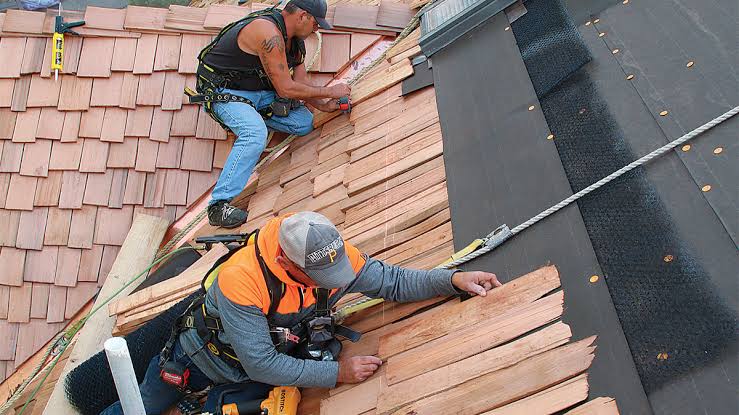
Fall Hazards on Wet or Mossy Wood: Wet cedar shakes, especially those covered in algae or moss, are extremely slippery, creating severe fall hazards for home maintenance. Mitigation: Always use certified fall protection equipment (harnesses, roof anchors, and safety lines) or hire specialized roofing professionals.
-
Trapped Moisture from Film-Forming Sealants: Applying non-breathable paints, polyurethane sealers, or solid stains traps moisture inside the shake, causing rapid internal wood decay. Mitigation: Use only non-film-forming, vapor-permeable, oil-based finishes engineered specifically for exterior cedar roofs.
-
Inadequate Attic Ventilation: Poor ventilation beneath the roof deck traps indoor heat and moisture in the attic, baking the shakes from underneath and accelerating mold growth. Mitigation: Ensure a balanced soffit-and-ridge ventilation system compliant with local building codes.
Maintenance, Best Practices, or Long-Term Management
Implementing an organized inspection and maintenance checklist helps maintain the structural performance of a cedar shake roof throughout its lifecycle.
-
Bi-Annual Ground and Ladder Inspections: Inspect the roof every spring and autumn. Look for curling, splitting, cupping, or missing shakes, as well as signs of heavy moss or dark algae staining.
-
Keep Keyways and Valleys Clear: Ensure vertical gaps between shakes and roof valleys remain free of leaves, needles, and twigs. Debris holds moisture like a sponge, causing rot along the edges of the shakes.
-
Trim Overhanging Tree Branches: Maintain at least a 6-to-10-foot clearance between tree branches and the roof. This allows sunlight and wind to dry the roof plane while preventing debris accumulation and animal access.
-
Clean Gutters and Downspouts: Ensure gutters remain free-flowing so water does not back up under the lower eave shakes during heavy rain.
+------------------------------------------------------------------+
|               CEDAR SHAKE ROOF MAINTENANCE CHECKLIST             |
+------------------------------------------------------------------+
| [ ] Inspect keyways and clear accumulated pine needles and leaves |
| [ ] Trim overhanging tree branches back at least 6 to 10 feet    |
| [ ] Inspect roof plane for split, curled, or missing shakes      |
| [ ] Clean gutters and downspouts to ensure free drainage         |
| [ ] Verify attic soffit and ridge vents remain unblocked         |
+------------------------------------------------------------------+
Documentation, Reporting, or Storytelling
Maintaining a documented history of roof maintenance, chemical applications, and shake repairs helps protect property value, simplifies home insurance claims, and supports warranty coverage. A complete roof care record should include:
-
Service Invoices & Product Data Sheets: Documents detailing the chemical formulations, penetrating oils, or biocides applied during professional cleaning.
-
Photographic Inspection Logs: Date-stamped photos showing the roof condition before and after cleaning or storm repair.
-
Timber Sourcing & Certification Data: Records showing the grade (e.g., Certi-Split #1 Grade) of any replacement cedar shakes installed during repairs.
Illustrative Examples
-
Insurance Claim Resolution: Following a hail storm, a homeowner in Oregon provided date-stamped maintenance logs showing that their cedar shake roof had been professionally cleaned, treated, and repaired six months prior. The insurance adjuster confirmed the roof was in prime structural condition prior to the storm, facilitating a full claim approval.
-
Home Resale Value Preservation: During a real estate transaction in Virginia, a prospective buyer questioned the condition of a 15-year-old cedar shake roof. The seller presented a ten-year record of bi-annual keyway cleanings and oil preservative applications, proving the roof had been well maintained and preventing a price renegotiation.
Closing Summary
Executing effective cedar shake roof maintenance and mold prevention USA strategies requires understanding natural wood dynamics and managing moisture exposure. By maintaining clear keyways, providing proper tree clearance, avoiding high-pressure washing, and applying breathable, oil-based preservatives every few years, property owners can prevent destructive mold and fungal rot. Proactive care preserves the distinct beauty, thermal efficiency, and structural protection of a cedar shake roof for decades.
Frequently Asked Questions
Can you power wash a cedar shake roof?
No, high-pressure power washing should never be used on a cedar shake roof. High-pressure water strips away the soft natural fibers of the cedar, creates deep gouges, and forces water behind the shakes into the roof deck. Always use low-pressure “soft wash” systems with wood-safe cleaning solutions to remove moss, algae, and mold.
How often should a cedar shake roof be treated with preservative?
In most American climates, a penetrating oil-based preservative should be applied every 3 to 5 years. Roofs in humid, heavily shaded regions or areas with high UV exposure may benefit from application closer to every 3 years, while roofs in moderate, sunny climates can extend to a 5-year cycle.
Do zinc or copper strips really prevent moss on cedar roofs?
Yes, metallic zinc or copper strips installed along the ridge line are effective at inhibiting moss, lichen, and algae growth. When rainwater washes over the metal strips, it carries trace ions down the roof plane. These ions create a surface environment that prevents spores from taking root, keeping the upper courses of shakes clear of biological growth.