Asphalt Shingles vs Standing Seam Metal Performance USA Guide
Selecting the right roofing system is one of the most critical structural and financial decisions a homeowner in the United States can make. Roofs serve as the primary barrier against natural elements, directly impacting energy efficiency, structural integrity, and property value. Among the various materials available in the American residential building market, asphalt shingles and standing seam metal systems represent two of the most widely evaluated options, each offering distinct trade-offs in longevity, cost, and environmental resilience.
Understanding asphalt shingles vs standing seam metal performance USA allows property owners, builders, and facility managers to evaluate how these materials behave across diverse climatic zones—from snow-heavy northern regions to hurricane-prone southern coasts. This guide breaks down the core structural differences, performance metrics under extreme weather, long-term resource planning, and routine maintenance strategies. Readers will gain a clear, objective framework for determining which roofing material best aligns with their property’s technical requirements and financial goals.
Overview of Asphalt Shingles vs Standing Seam Metal Performance USA
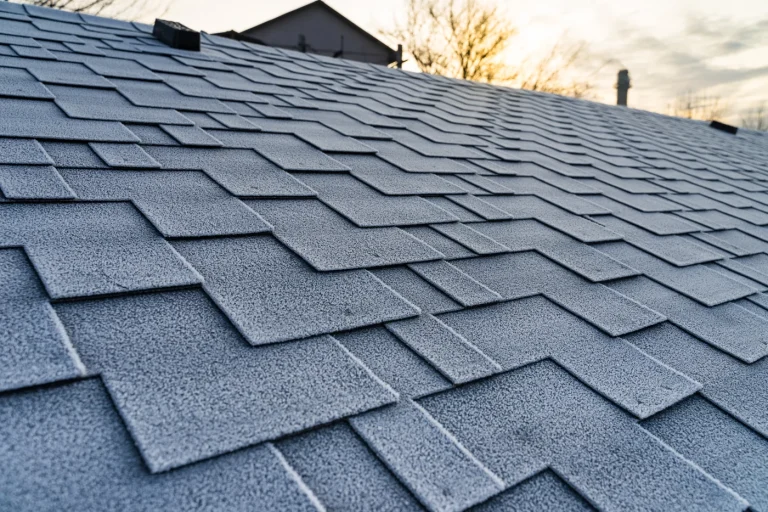
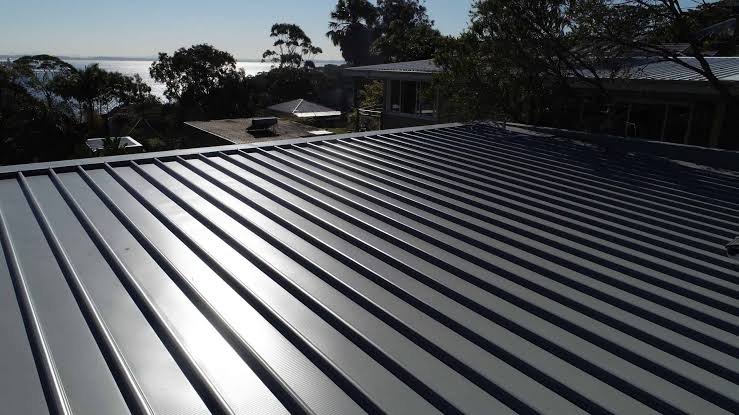
Evaluating asphalt shingles vs standing seam metal performance USA requires an understanding of how both systems are engineered and installed. Asphalt shingles are modular units constructed from an organic or fiberglass mat coated with asphalt and surfaced with mineral granules. They are designed to overlap across a sloped roof deck, creating a water-shedding barrier. Standing seam metal roofing, by contrast, consists of continuous vertical panels running from the ridge to the eaves, featuring concealed fasteners raised above the roof plane.
In common practice, asphalt shingles are selected for their lower upfront material cost, widespread installer availability, and straightforward installation process. They are the standard choice for high-volume residential developments. Standing seam metal systems are typically chosen for high-durability projects, modern architectural designs, and regions subject to severe weather. While shingles rely on gravity and overlap cohesion to shed water, standing seam metal forms an interconnected structural shield with sealed or mechanically seamed joints, significantly reducing potential leakage points.
The primary objective of analyzing asphalt shingles vs standing seam metal performance USA is balancing initial capital expenditure against lifecycle performance. While asphalt shingles generally carry a shorter service life and higher vulnerability to wind uplift and thermal degradation, standing seam metal offers extended longevity, superior wind and snow resistance, and higher solar reflectance, albeit at a significantly higher initial investment.
Major Roofing Material Variations and Performance Categories
To better understand material performance, it is helpful to categorize the common variations of asphalt shingles and standing seam metal available in the United States residential market.
| Category / Type | Description | Common Use Case | Time / Cost / Effort Level |
| 3-Tab Asphalt Shingles | Basic, single-layer asphalt shingles cut into three uniform tabs; lightest architectural profile. | Starter homes, budget-constrained renovations, rental properties. | Low initial cost; low installation effort; shorter lifespan (15–20 years). |
| Architectural / Dimensional Shingles | Multi-layered asphalt shingles laminated to create a textured, three-dimensional appearance. | Standard modern residential construction, suburban replacements. | Moderate cost; medium effort; average lifespan (25–30 years). |
| Snap-Lock Standing Seam Metal | Metal panels engineered with factory-formed male/female edges that snap together without mechanical seaming tools. | Steep-slope residential homes, custom builds, moderate-climate areas. | High material cost; high installation skill; long lifespan (40–70 years). |
| Mechanically Seamed Standing Seam | Panels folded together using a specialized electric seamer at 90-degree (single-lock) or 180-degree (double-lock) angles. | Low-slope residential roofs, extreme weather zones, high-wind regions. | Very high cost; specialized labor required; maximum weatherproofing lifespan (50–70+ years). |
Choosing Between Material Variations
Selecting among these categories depends heavily on roof pitch, regional climate demands, and investment horizons. Property owners prioritizing immediate affordability often opt for architectural asphalt shingles, which offer improved wind resistance over basic 3-tab shingles at a accessible price point. Conversely, projects requiring maximum resistance to water intrusion on low slopes or extreme wind uplift are better suited for mechanically seamed standing seam metal, provided the project budget supports higher upfront material and labor expenses.
Practical Scenarios and Regional Applications
Scenario 1: High-Wind and Hurricane Coastal Zones (e.g., Florida, Gulf Coast)
Coastal environments subject roofs to intense wind uplift, salt spray, and torrential rain.
-
Key Components: Double-lock standing seam steel or aluminum panels, high-temp self-adhering underlayment, stainless steel concealed fasteners, marine-grade anti-corrosive coatings (Kynar 500/PVDF).
-
Process Steps: Strip existing decking to bare wood; install continuous ice and water shield; secure drip edge; fasten panels using expansion-sliding clips; mechanically lock seams twice.
-
Why Relevant: Standard asphalt shingles risk blow-off when wind speeds exceed 110–130 mph, as wind can lift the tab edges. Standing seam systems engineered for high-wind zones routinely achieve wind resistance ratings exceeding 140–160 mph because there are no exposed edges for wind to catch.
Scenario 2: Severe Winter and Heavy Snow Regions (e.g., Rocky Mountains, Upper Midwest)
Sub-zero temperatures, heavy snow accumulation, and freeze-thaw cycles create severe risks of ice damming and structural stress.
-
Key Components: Architectural asphalt shingles or heavy-gauge standing seam metal, ice and water membrane along all eaves and valleys, snow guards, adequate attic ventilation.
-
Process Steps: Calculate structural snow load capacities; apply self-healing underlayment at least 24 inches inside the interior warm wall line; install metal or shingle roofing; place snow retention systems on metal planes.
-
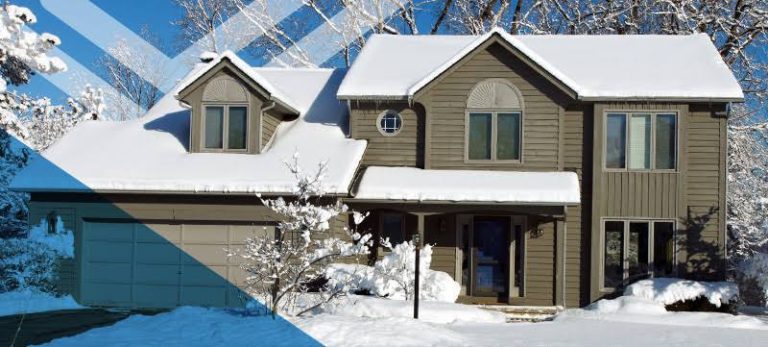
Why Relevant: Heavy snow can sit on asphalt shingles, freeze, and push water under the overlaps as ice dams form. Metal panels allow snow to shed rapidly due to their smooth, non-porous surface, preventing ice accumulation and reducing structural load, though proper snow guards are necessary to prevent dangerous snow slides.
Scenario 3: Hot, High-UV Southern Inland Climates (e.g., Texas, Arizona)
Proprties in sunny, arid inland environments experience constant solar radiation and thermal shock.
-
Key Components: Cool-roof rated reflective standing seam metal or solar-reflective architectural asphalt shingles, radiant barrier deck sheathing, ridge-and-soffit ventilation systems.
-
Process Steps: Inspect deck deck conditions; install radiant barrier underlayment; lay high-reflectance panels or specialized granules; seal all ridge vents.
-
Why Relevant: Constant ultraviolet radiation dries out the volatile oils in asphalt shingles over time, leading to cupping, cracking, and granule loss within 10 to 15 years. Reflective standing seam metal panels maintain color integrity and reflect a much higher percentage of solar energy, lowering attic temperatures and reducing cooling loads.
+-----------------------------------------------------------------------------------+
|                            SCENARIO COMPARISON MATRIX                             |
+-------------------+----------------------------+----------------------------------+
| Metric            | Coastal High-Wind          | Heavy Snow / Winter              |
+-------------------+----------------------------+----------------------------------+
| Primary Threat    | Wind Uplift & Salt Spray   | Ice Dams & Structural Weight     |
| Best Suitability  | Standing Seam (Aluminum)   | Standing Seam or Premium Shingle |
| Main Failure Point| Shingle Edge Blow-Off      | Water Backup Behind Ice Dams    |
+-------------------+----------------------------+----------------------------------+
Planning, Cost, and Resource Considerations
Comprehensive budgeting for roofing projects requires accounting for long-term lifecycle costs rather than focusing solely on upfront installation prices. While asphalt shingles carry lower initial material and installation expenses, their shorter lifecycle means they will likely require replacement two to three times over the lifespan of a single standing seam metal roof.
Note: The financial metrics below represent generalized industry estimates across the United States. Actual figures vary depending on regional labor rates, roof complexity, slope, and material supply chain conditions.
| Category | Estimated Amount / Effort | Explanation | Optimization Tips |
| Asphalt Shingle Installation | $3.50 – $6.50 per sq. ft. | Covers tear-off, underlayment, 30-year architectural shingles, and standard labor. | Schedule during non-peak installation seasons (late autumn/early spring) for better labor rates. |
| Standing Seam Metal Installation | $10.00 – $18.00 per sq. ft. | Reflects premium metal panels, specialized concealed clip hardware, and skilled labor. | Choose standard factory color finishes to avoid custom coating surcharges. |
| Structural Deck Preparation | $1.50 – $3.50 per sq. ft. | Replacing damaged plywood decking and installing synthetic or self-adhering underlayment. | Conduct a pre-installation deck audit to catch structural rotting early. |
| Maintenance & Repairs (20 Years) | $1,000 – $3,000 (Shingles) / $300 – $800 (Metal) | Shingles require periodic sealant, flashing, and blown-off tab repairs; metal requires fastener inspection. | Perform bi-annual self-inspections to address minor sealant failures before leaks occur. |
Strategies, Tools, or Support Options
When evaluating asphalt shingles vs standing seam metal performance USA, property owners can utilize several structural evaluation strategies and professional support channels.
1. Professional Thermal Imaging Voids Audit
-
Description: Infrared thermography performed by a certified building inspector to identify thermal bridging, moisture under underlayment, or insulation gaps.
-
Advantages: Non-destructive; pinpoints exact moisture intrusion points under both shingle and metal surfaces.
-
Disadvantages: Requires specialized equipment and certified operator; higher diagnostic cost.
2. Manufacturer System Warranties
-
Description: Comprehensive material and workmanship guarantees issued directly by roofing manufacturers (e.g., GAF, CertainTeed, Drexel Metals).
-
Advantages: Transfers financial risk of material defect to manufacturer; often transferable upon property sale.
-
Disadvantages: Strict installation guidelines required; failure to use certified installers voids coverage.
3. Third-Party Structural Engineering Assessment
-
Description: Hiring a professional structural engineer to evaluate roof deck load-bearing capacity and wind-uplift calculations.
-
Advantages: Unbiased technical data tailored to local building code enforcement; essential for heavy standing seam or tile conversions.
-
Disadvantages: Adds upfront consulting costs and extends project timeline.
Safety, Risks, or Common Challenges
-
Underlayment Failure Due to Thermal Expansion: Standing seam metal panels expand and contract significantly as ambient temperatures change. If an inappropriate underlayment is used, the metal underside can abrade the underlayment over time, causing hidden leaks. Mitigation: Always install high-temperature, smooth-surfaced synthetic underlayment designed for metal systems.
-
Granule Loss and UV Degradation on Shingles: Asphalt shingles naturally shed mineral granules due to hail, foot traffic, and weathering. Granule loss exposes the underlying asphalt layer to rapid UV degradation. Mitigation: Limit foot traffic on asphalt roofs and clear overhanging tree branches to reduce organic friction.
-
Fastener Back-Out on Exposed Metal Accessories: While standing seam panels use concealed fasteners, edge trims and flashing accessories may rely on exposed screws with rubber washers. Thermal cycling can cause these screws to back out or the washers to dry-rot. Mitigation: Inspect perimeter flashings every 3–5 years and replace degraded neoprene washers.
-
Improper Ventilation Leading to Deck Rot: Trapped attic heat and moisture prematurely age asphalt shingles from underneath and cause metal deck condensation. Mitigation: Ensure a balanced intake (soffit) and exhaust (ridge) ventilation ratio according to local building codes.
Maintenance, Best Practices, or Long-Term Management
To maximize the service life of either system, property managers should implement a structured maintenance protocol.
-
Bi-Annual Visual Inspections: Inspect the roof every spring and autumn. Check asphalt roofs for loose, curled, or missing shingles. Check metal roofs for seam alignment, clip movement, and perimeter seal stability.
-
Debris Clearing: Clear leaves, branches, and pine needles from valleys, gutters, and downspouts. Accumulated debris holds moisture, accelerating shingle decay and causing standing water on metal surfaces.
-
Flashing and Sealant Checks: Inspect all penetrations, including pipe boots, skylights, and chimneys. Sealants degrade faster than the primary roofing material and should be refreshed as needed.
-
Snow Management Verification: Prior to winter, ensure all snow guards on metal roofs are securely anchored to prevent mass snow slides that can damage lower roof structures or gutters.
+------------------------------------------------------------------+
|                    ROOF MAINTENANCE CHECKLIST                    |
+------------------------------------------------------------------+
| [ ] Inspect gutters and downspouts for accumulated shingle granules|
| [ ] Clear debris from roof valleys and low-slope intersections   |
| [ ] Check pipe boots and flashing sealants for cracking or dry-rot|
| [ ] Verify snow guards are securely fastened (Metal systems)     |
| [ ] Trim back tree branches within 6 feet of the roof plane      |
+------------------------------------------------------------------+
Documentation, Reporting, or Storytelling
Documenting a roofing system’s installation and maintenance history preserves property value and simplifies future insurance claims. A comprehensive roof management binder or digital folder should contain:
-
Original Contract & Material Invoices: Proves the grade, gauge, or warranty class of installed materials.
-
Transferable Warranty Documentation: Critical during real estate transactions to pass coverage to subsequent buyers.
-
Photographic Inspection Logs: Date-stamped photos taken after installation, major storms, and routine service.
Illustrative Examples
-
Insurance Claim Verification: A homeowner in Oklahoma experienced severe hail. Because they maintained date-stamped photo logs showing their architectural shingles were in pristine condition three months prior, the insurer approved a full replacement without disputing pre-existing wear.
-
Warranty Support for Coastal Property: A coastal North Carolina property with standing seam aluminum experienced a trim seal failure. The owner provided original installation logs showing an accredited installer performed the work, allowing the manufacturer to cover full repair under the 30-year finish warranty.
Closing Summary
The comparison of asphalt shingles vs standing seam metal performance USA underscores distinct advantages for each material depending on project goals. Asphalt shingles remain an accessible, cost-effective choice that provides reliable protection for standard residential homes when properly maintained. Standing seam metal systems represent a higher-tier investment, delivering exceptional wind resistance, thermal reflection, and long-term durability that often outperforms shingles over several decades. Aligning material selection with regional weather patterns, structural requirements, and financial planning ensures optimal roof performance and long-term protection for any property.
Frequently Asked Questions
How do asphalt shingles and standing seam metal compare in high wind events?
Standing seam metal generally performs better in extreme winds. Because its panels are secured with concealed clips and mechanically locked together without exposed edges, systems can resist wind speeds exceeding 140–160 mph. Standard asphalt shingles rely on adhesive sealant strips and overlapping tabs, making them more vulnerable to lift and tear off when wind speeds exceed 110–130 mph.
Is a standing seam metal roof significantly noisier than an asphalt shingle roof during rain?
No. When installed over solid plywood decking with standard underlayment and attic insulation, standing seam metal roofs produce negligible noise differences compared to asphalt shingles inside the living space. The noise often associated with metal roofs typically occurs only when panels are installed over open framing, such as on agricultural barns.
Can standing seam metal panels be installed directly over existing asphalt shingles?
While some metal panel designs permit installation over existing shingles using furring strips, direct overlay is generally discouraged for standing seam systems. Best practice dictates removing old shingles down to the deck to inspect for rot, ensure a flat plane for seaming, and lay down an appropriate high-temperature underlayment to prevent friction damage.